


The question “what does yellow mucus mean” is one of the most commonly searched health-related phrases online—and for good reason. Nearly everyone notices changes in mucus color at some point, whether during a cold, allergies, or sinus issues. But curiosity about yellow mucus didn’t begin with the internet. Long before search engines, people observed bodily signs and tried to interpret what they meant for health and recovery.
Historically, mucus color changes were discussed in early medical texts, folk medicine, and even family advice passed down through generations. Yellow mucus was often associated with “fighting infection,” even when scientific understanding was limited. As modern medicine advanced in the 19th and 20th centuries, doctors began linking mucus color to immune responses, inflammation, and hydration levels.
The phrase “what does yellow mucus mean” became especially popular in online conversations during the early 2000s, when people started searching symptoms on Google instead of immediately visiting a doctor. Forums, health blogs, and later social media platforms amplified this curiosity. The COVID-19 era further increased public awareness of respiratory symptoms, making mucus color a widely discussed topic.
By 2026, the meaning of what does yellow mucus mean has evolved into a balanced blend of medical knowledge, digital health awareness, and everyday conversation. People now understand that yellow mucus isn’t always a bad sign—but context matters. This article provides a complete, updated, and easy-to-understand explanation of what yellow mucus means in 2026, covering medical facts, common misconceptions, real-life examples, and why people still ask about it today.
What Does What Does Yellow Mucus Mean Mean in 2026?
In 2026, the meaning of yellow mucus is better understood than ever, thanks to improved public health education and digital health tools.
The Core Medical Explanation
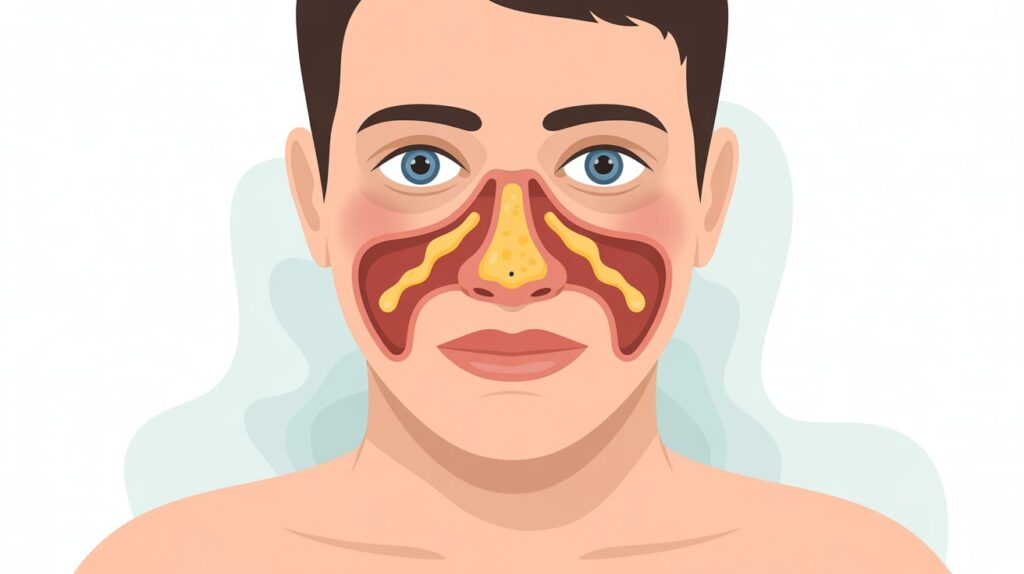
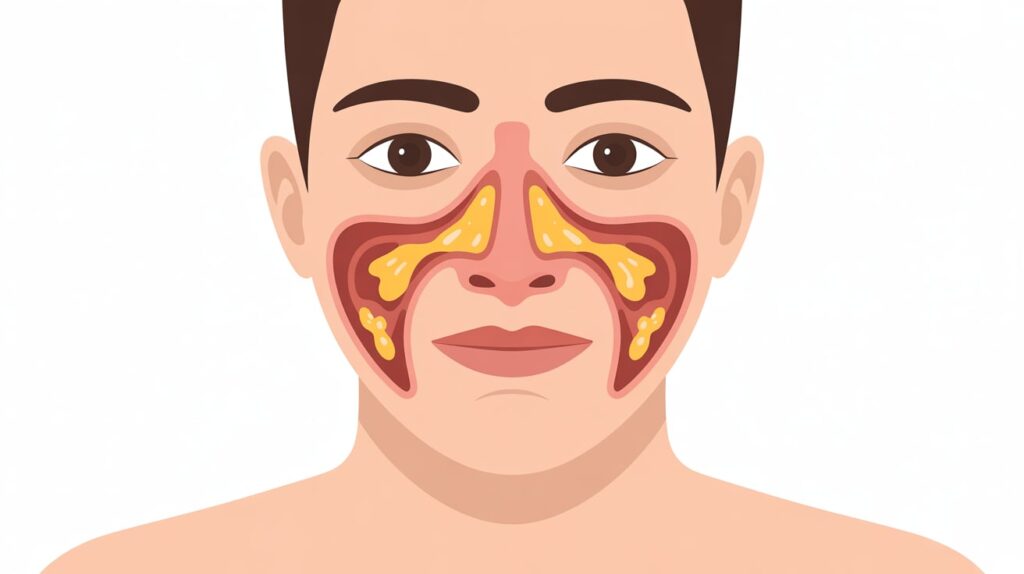
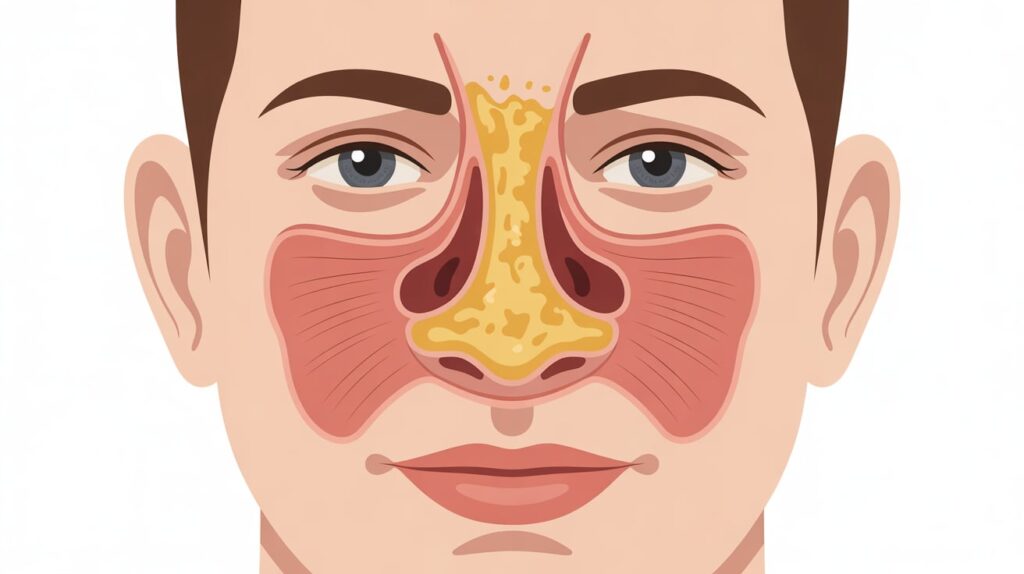
Yellow mucus usually means that your immune system is actively responding to something—most commonly:
- A viral infection (like a cold or flu)
- Allergies with inflammation
- Sinus congestion
- Mild bacterial involvement (not always serious)
The yellow color comes from white blood cells, particularly neutrophils, which release enzymes when fighting infection. As these cells break down, they can tint mucus yellow.
What Yellow Mucus Does Not Automatically Mean
A key update by 2026 is widespread understanding that:
- Yellow mucus does not automatically mean you need antibiotics
- Yellow mucus does not always mean a bacterial infection
- Yellow mucus alone is not a diagnosis
Modern Medical Consensus (2026)
Yellow mucus is usually a normal part of your body’s defense system, especially during or after illness.
Modern Usage of What Does Yellow Mucus Mean
The phrase “what does yellow mucus mean” is no longer used only in clinical settings. In 2026, it appears across many everyday contexts.
Where People Commonly Ask This Question
- Search engines
- Health apps
- Online symptom checkers
- Social media posts
- Family group chats
- Telehealth consultations
Why the Question Is So Common
- Mucus is visible and noticeable
- Color changes cause concern
- People want reassurance
- Easy access to online health info
How People Phrase It Today
- “Is yellow mucus bad?”
- “What does yellow mucus mean when you’re sick?”
- “Why is my mucus yellow but I feel fine?”
- “Does yellow mucus mean I’m getting better?”
What Does Yellow Mucus Mean in Texting & Social Media
In 2026, health conversations are no longer private—they often happen openly on social platforms.
How Yellow Mucus Is Talked About Online
People frequently mention yellow mucus in:
- Casual updates
- Humor or memes
- Health questions
- Recovery stories
Social Media Tone
The tone is often:
- Lighthearted
- Curious
- Reassurance-seeking
- Occasionally anxious
Examples from Social Media & Texts
“Still congested 😩 yellow mucus tho—guess my body’s fighting it.”
“Why does Google say yellow mucus is fine but my anxiety says otherwise?”
“Day 4 of cold: yellow mucus but feeling better.”
These examples show how medical awareness and humor coexist in modern digital culture.
Examples of What Does Yellow Mucus Mean in Real Chats
Example 1: Family Text
A: My mucus turned yellow today
B: That usually means your body’s fighting it
A: Good to know, thanks
Example 2: Friend Chat
“I have yellow mucus but no fever—should I worry?”
Example 3: Work Message
“Working from home today, still dealing with congestion and yellow mucus.”
Example 4: Online Health Forum
“Yellow mucus for a week now but symptoms improving—normal?”
Example 5: Social Media Post
“PSA: Yellow mucus doesn’t always mean antibiotics!”
These conversations reflect how normalized health discussions have become.
Misunderstood Meanings of What Does Yellow Mucus Mean
Despite better education, misunderstandings still exist.
Common Myths in 2026
1. Yellow Mucus Always Means Infection
❌ Not always—can be part of recovery.
2. Yellow Mucus Means You’re Contagious
❌ Contagiousness depends on the illness, not mucus color.
3. Yellow Mucus Requires Antibiotics
❌ Antibiotics are for bacterial infections only.
4. Darker Yellow Means Worse Illness
❌ Color intensity alone isn’t a reliable indicator.
5. Yellow Mucus Is Dangerous
❌ Usually harmless unless paired with severe symptoms.
What Doctors Emphasize in 2026
Doctors now stress symptoms over color, such as:
- Fever
- Shortness of breath
- Severe pain
- Symptoms lasting longer than 10 days
Why People Still Use What Does Yellow Mucus Mean in 2026
Even with advanced healthcare tools, the question remains popular.
Key Reasons
- Immediate Visibility – People notice mucus changes instantly
- Health Anxiety – Color changes trigger concern
- Easy Online Access – Answers are one search away
- Increased Health Awareness – People track symptoms closely
- Pandemic-Era Habits – Monitoring respiratory health became routine
In 2026, people are more proactive—but also more curious—about health signs.
Comparison Table: Yellow Mucus vs Similar Symptoms (2026)
| Abbreviation | Full Form | Meaning | Usage Example | Popularity Score (2026) |
| YM | Yellow Mucus | Immune response | “I have yellow mucus today” | 9.5/10 |
| CM | Clear Mucus | Normal or allergies | “Just clear mucus” | 9.0/10 |
| GM | Green Mucus | Strong immune response | “Mucus turned green” | 9.3/10 |
| BM | Bloody Mucus | Irritation or dryness | “A bit of blood in mucus” | 8.6/10 |
| TM | Thick Mucus | Dehydration or infection | “Mucus feels thick” | 8.9/10 |
2026 Context: How Understanding Has Evolved
Medical Advances
- Better patient education
- Telehealth symptom triage
- AI-driven health assistants
- Less antibiotic overuse
Public Awareness Shift
By 2026:
- People understand immune processes better
- Panic around mucus color has decreased
- Self-care is emphasized before medication
Holistic View
Modern healthcare encourages:
- Hydration
- Rest
- Symptom monitoring
- Professional advice when needed
Conclusion
So, what does yellow mucus mean in 2026?
Most of the time, it means your immune system is doing its job. Yellow mucus is usually a sign of inflammation or recovery—not automatically a serious problem. While it can sometimes be linked to infection, color alone is not a reliable indicator of illness severity.
The modern understanding encourages people to look at the full picture, including how they feel, how long symptoms last, and whether other warning signs are present.
FAQ: What Does Yellow Mucus Mean
1. Is yellow mucus normal?
Yes, especially during or after a cold.
2. Does yellow mucus mean I need antibiotics?
Not usually—only if a doctor confirms bacterial infection.
3. Can allergies cause yellow mucus?
Yes, especially with inflammation and congestion.
4. Is yellow mucus a sign of recovery?
Often, yes—it can appear as your body clears infection.
5. When should I see a doctor?
If symptoms last over 10 days, worsen, or include fever or pain.
Final Summary
The phrase what does yellow mucus mean reflects a common health concern that has evolved with better education and digital awareness. In 2026, yellow mucus is widely understood as a normal immune response, not an automatic sign of danger. Knowing when to monitor, rest, or seek care empowers people to respond calmly and wisely to their body’s signals.