

The question “what does sober mean” might seem simple at first glance, but the reality is far more layered—especially in 2026, where language, wellness culture, and digital communication have reshaped how we understand sobriety.
Historically, the word sober has existed in the English language for hundreds of years, originally appearing in Middle English in the late medieval period. Early uses of the word described someone who was serious, calm, or restrained. Over time, its meaning narrowed and became strongly associated with not being intoxicated by alcohol.
As conversations around mental health, addiction recovery, self-improvement, and lifestyle choices expanded—particularly in the late 20th and early 21st centuries—the phrase “what does sober mean” began appearing more frequently in everyday conversations, online forums, and educational contexts. By the early 2020s, social media and wellness movements brought sobriety into mainstream digital culture, where it took on new emotional, social, and even aesthetic meanings.
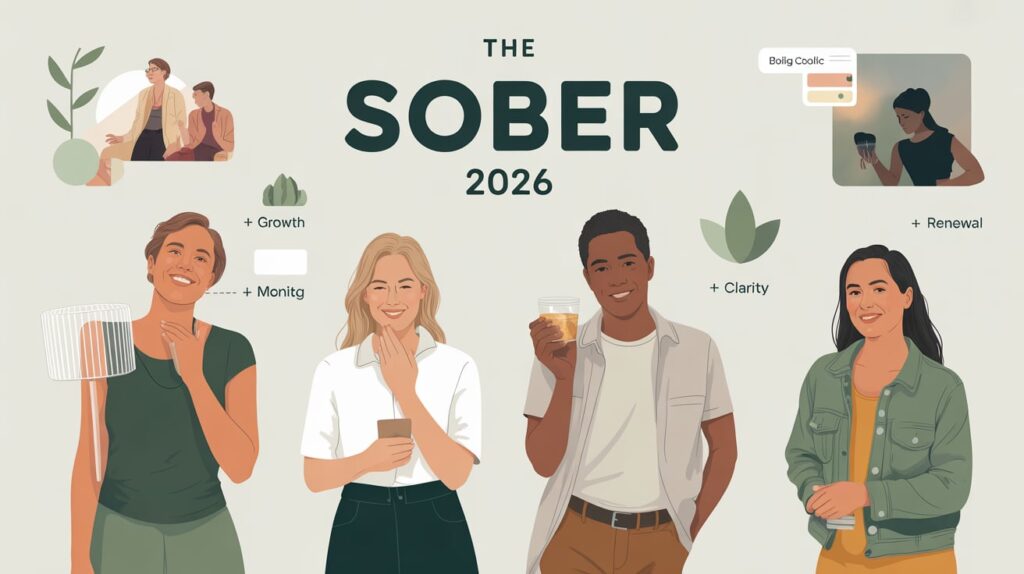
By 2026, sober is no longer just a clinical or legal term. It has evolved into a personal identity, a lifestyle choice, and a mental state that extends beyond alcohol or drugs. People now use the word to describe clarity, intentional living, emotional balance, and conscious decision-making.
In this in-depth guide, we’ll break down what does sober mean in 2026, how it’s used in modern language, how it appears in texting and social media, common misunderstandings, real-life examples, and why the concept of sobriety continues to matter more than ever.
What Does What Does Sober Mean in 2026?
In 2026, the meaning of sober can be understood on multiple levels, depending on context.
At its core, sober means not being under the influence of alcohol or drugs. However, modern usage has expanded far beyond this basic definition.
Primary Meanings of “Sober” in 2026
- Physically not intoxicated
- Living without alcohol or substances
- Mentally clear and emotionally present
- Intentional and self-aware
- Serious, grounded, or realistic
1. Sober as “Not Intoxicated”
This is the most traditional and widely accepted meaning.
Definition:
A person who is sober is not currently affected by alcohol, drugs, or intoxicating substances.
Example:
“I’m sober tonight, I’m driving.”
2. Sober as a Lifestyle Choice
By 2026, many people use sober to describe a long-term lifestyle decision, not just a temporary state.
Example:
“I’ve been sober for three years.”
This usage often appears in conversations about wellness, recovery, or personal growth.
3. Sober as Mental & Emotional Clarity
Modern language also uses sober metaphorically to describe clear thinking and emotional stability.
Example:
“I needed a sober moment to really think this through.”
4. Sober as Intentional Living
In 2026, sobriety is often linked to mindfulness, productivity, and self-discipline.
Example:
“I’m choosing a sober lifestyle to focus on my goals.”
5. Sober as Serious or Realistic
This older meaning still exists today.
Example:
“Let’s have a sober conversation about the risks.”
Modern Usage of What Does Sober Mean
The way people use sober in 2026 reflects changing social norms and values. Sobriety is no longer hidden or stigmatized—it’s openly discussed, shared, and even celebrated.
Common Modern Contexts
- Wellness and self-care conversations
- Recovery and support communities
- Productivity and mental clarity discussions
- Lifestyle branding and identity
- Digital storytelling
“Sober Curious” Movement
One major influence on modern usage is the sober curious movement, where people explore sobriety without committing to permanent abstinence.
Example:
“I’m sober curious this year.”
“California Sober”
Another modern phrase describes avoiding certain substances while allowing others, though definitions vary.
Aesthetic & Identity Use
By 2026, sobriety is sometimes portrayed as an aesthetic or personal brand, especially on social platforms.
What Does What Does Sober Mean in Texting & Social Media?

In digital communication, sober is often used casually, metaphorically, or humorously, depending on tone.
In Text Messages
Examples:
“I’m sober rn, I’ll call you.”
“Trying to stay sober tonight.”
On Social Media Captions
“One year sober today.”
“Sober mornings hit different.”
“Living a sober life in 2026.”
On TikTok
Short-form videos often explore sobriety journeys, daily routines, or reflections.
On Instagram & Threads
Sobriety is often framed positively, focusing on growth and clarity.
Emojis Commonly Used With “Sober”
- 🌱 (growth)
- 🧠 (clarity)
- 💪 (strength)
- ✨ (renewal)
Examples of What Does Sober Mean in Real Chats
Here are realistic examples showing how people use the word today.
Example 1: Temporary State
“I’m sober now, we can talk.”
Example 2: Lifestyle Choice
“I’ve been sober since 2022.”
Example 3: Mental Clarity
“I needed a sober look at my finances.”
Example 4: Humor
“I wrote that message sober, I swear.”
Example 5: Supportive Context
“Staying sober isn’t easy, but I’m proud of you.”
Misunderstood Meanings of What Does Sober Mean
Despite its common usage, sober is often misunderstood.
Common Misconceptions
❌ Sober means boring
❌ Sober only applies to alcohol
❌ Sober people never have fun
❌ Sober equals judgmental
Clarifying the Truth
✔ Sobriety is personal
✔ It can involve many substances—or none
✔ Sober people still enjoy life
✔ Sobriety is about choice, not superiority
Is Sober the Same as Clean?
No. While sometimes used interchangeably, clean can have different connotations and is not universally preferred.
Why People Still Use What Does Sober Mean in 2026
The continued relevance of sober comes from deep cultural shifts.
1. Mental Health Awareness
People recognize the connection between sobriety and emotional well-being.
2. Lifestyle Optimization
Sobriety aligns with productivity, fitness, and clarity goals.
3. Reduced Stigma
Open conversations have normalized sobriety.
4. Digital Storytelling
People share sober journeys online, creating community.
5. Personal Empowerment
Choosing sobriety is often framed as strength.
Comparison Table: “Sober” vs Similar Terms (2026)
| Abbreviation | Full Form | Meaning | Usage Example | Popularity Score (2026) |
| Sober | Sober | Not intoxicated / substance-free | “I’m sober now” | ⭐⭐⭐⭐⭐ |
| AF | Alcohol-Free | No alcohol consumption | “AF lifestyle” | ⭐⭐⭐⭐ |
| Clean | Clean | Drug-free (context-dependent) | “Been clean a year” | ⭐⭐⭐ |
| Straight Edge | Straight Edge | Substance-free identity | “SXE since teens” | ⭐⭐ |
| Mindful | Mindful | Conscious living | “Mindful choices” | ⭐⭐⭐⭐ |
2026 Context: How the Meaning of Sober Has Evolved
Digital Wellness Culture
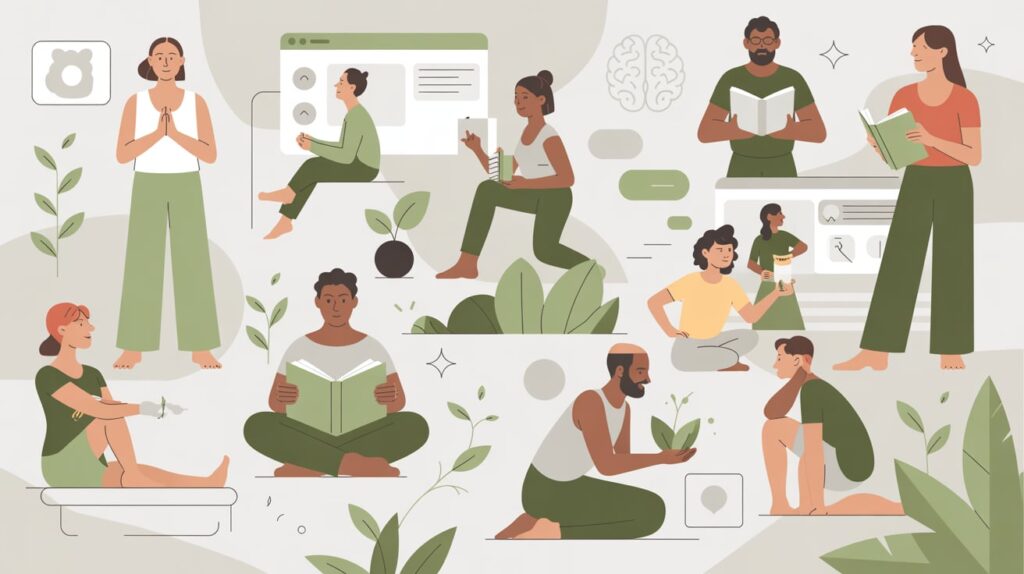
Apps, wearables, and habit-tracking tools support sober lifestyles.
Social Shifts
Drinking is no longer expected in every social setting.
Workplace Norms
Sober networking events and alcohol-free spaces are common.
Language Evolution
Sober now includes emotional and mental clarity, not just substances.
When to Use the Word “Sober”
✔ Talking about intoxication status
✔ Discussing lifestyle choices
✔ Expressing mental clarity
✔ Supportive conversations
✔ Reflective or serious discussions
When to Use It Carefully
❌ Avoid judgmental tone
❌ Don’t assume someone’s history
❌ Respect personal definitions
Conclusion
So, what does sober mean in 2026?
It means far more than simply not drinking. Today, sober represents clarity, intention, balance, and conscious choice. It can describe a temporary physical state, a lifelong commitment, or a mindset focused on awareness and authenticity.
As conversations around wellness, mental health, and personal growth continue to expand, the word sober remains powerful because it adapts. It meets people where they are—whether they’re choosing sobriety for a night, a year, or a lifetime.
In a fast-paced, overstimulated world, being sober in 2026 often means choosing presence over escape—and that’s why the term continues to matter.
Frequently Asked Questions (FAQ)
What does sober mean literally?
Literally, it means not being intoxicated.
Does sober only refer to alcohol?
No. It can include drugs or refer to mental clarity.
Can someone be sober without being in recovery?
Yes. Many people choose sobriety for lifestyle reasons.
Is sober a permanent state?
Not necessarily. It can be temporary or long-term.
Is sober still relevant in 2026?
Absolutely. It’s more relevant than ever.
Final Summary
- Sober originally meant serious or restrained
- Traditionally refers to not being intoxicated
- In 2026, it includes lifestyle and mindset meanings
- Common in social media and texting
- Represents clarity, intention, and personal choice
Understanding what does sober mean helps you navigate modern conversations, digital culture, and evolving language with confidence.