

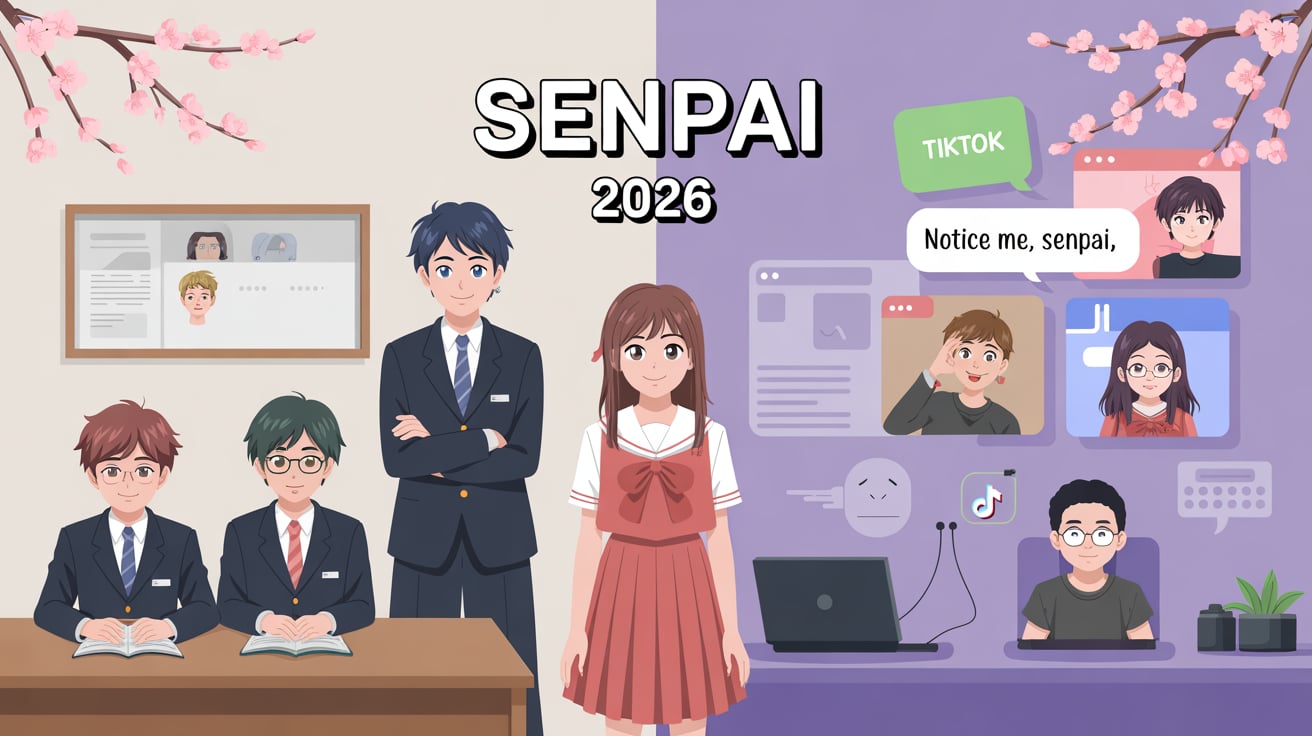
The word “senpai” has traveled a long and fascinating journey—from traditional Japanese social structures to global internet culture. If you’ve ever watched anime, read manga, played Japanese-inspired games, or scrolled through social media, you’ve probably encountered the term and wondered what does senpai mean and why it’s used so often.
The phrase senpai (先輩) first appeared in conversations in Japan centuries ago as part of a deeply rooted social system that emphasized hierarchy, respect, and mentorship. Originally, it was not slang, fandom language, or humor—it was a formal social role used in schools, workplaces, sports teams, and other group environments.
However, senpai didn’t remain limited to Japan. Its global popularity began rising in the late 1990s and early 2000s, largely due to the international spread of anime, manga, and Japanese pop culture. Fans outside Japan encountered senpai through subtitles and fan translations, often seeing it used in emotionally charged scenes involving admiration, respect, or unspoken affection.
By the 2010s, senpai became an internet phenomenon. Memes like “Notice me, senpai” went viral, transforming the word into both a serious and humorous expression of admiration. Over time, its meaning expanded beyond its original cultural boundaries.
Now in 2026, senpai exists in multiple layers at once:
- A traditional Japanese honorific
- A cultural concept of mentorship and seniority
- A fandom and meme-based expression
- A playful or ironic term in online communities
In this comprehensive guide, we’ll explore what does senpai mean, how it became popular worldwide, how its meaning has evolved up to 2026, how it’s used in texting and social media, real chat examples, common misunderstandings, and why people still use it today.
What Does What Does Senpai Mean Mean in 2026?
In 2026, senpai primarily means:
A person who is senior, more experienced, or higher in status within a shared group or environment.
Traditional Meaning (Still Relevant)
In its original Japanese context, senpai refers to:
- An older student in school
- A more experienced coworker
- A senior member of a club or team
The relationship is usually paired with kohai (後輩), meaning junior.
Example (Traditional):
“She is my senpai at work because she joined before me.”
Modern Global Meaning
Outside Japan, especially online, senpai often means:
- Someone admired
- Someone looked up to
- Someone with perceived authority or skill
- Sometimes, a romantic or playful crush
Example (Modern):
“That artist is totally my senpai.”
Tone in 2026
Depending on context, senpai can be:
- Respectful
- Affectionate
- Playful
- Ironic
- Meme-based
Understanding the tone is key to understanding its meaning.
Modern Usage of What Does Senpai Mean
In Japanese Society (2026)
Senpai is still widely used in:
- Schools
- Universities
- Offices
- Sports teams
- Martial arts
It carries real social expectations, including mentorship and responsibility.
In Global Pop Culture
Senpai is commonly used in:
- Anime fandoms
- Cosplay communities
- Online gaming
- Art and creator spaces
Here, it often signals admiration rather than formal hierarchy.
In Humor & Memes
Used ironically or playfully.
Example:
“You fixed the printer? Senpai energy.”
In Online Communities
Used to elevate someone’s status.
Example:
“He’s been modding this server forever—absolute senpai.”
What Does What Does Senpai Mean in Texting & Social Media?
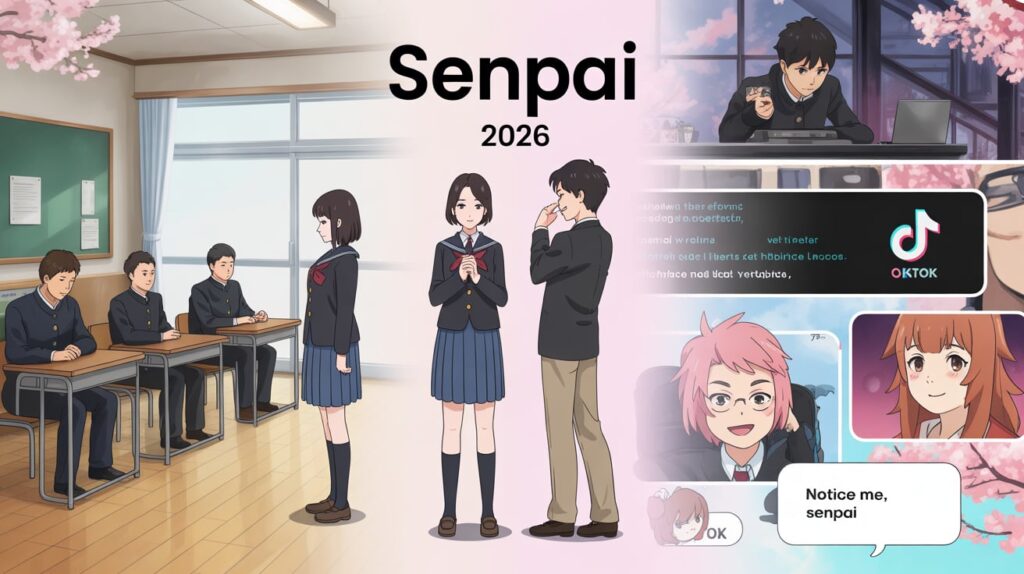
By 2026, senpai is deeply embedded in online communication.
Text Messages
Often playful or expressive.
Example:
“Teach me how you did that, senpai.”
Twitter / X
Used jokingly or as praise.
Example:
“Coding senpai just saved my project.”
TikTok
Common in anime edits and humor videos.
Caption Example:
“POV: senpai finally notices you.”
Discord & Gaming
Used to describe experienced players.
Example:
“Listen to tank senpai, he knows the strategy.”
Used in fandom posts and captions.
Example:
“Cosplay senpai vibes today ✨”
Examples of What Does Senpai Mean in Real Chats
Here are realistic examples of how senpai appears in everyday conversations in 2026.
Example 1: Anime Fan Chat
User1: “That animator is incredible.”
User2: “Absolute senpai.”
Example 2: Gaming Server
Player: “Follow senpai, he’s played since launch.”
Example 3: School Setting
Student: “She’s my senpai in the robotics club.”
Example 4: Playful Flirting
Text: “Notice me, senpai 😅”
Example 5: Workplace (Casual)
Coworker: “Ask design senpai, she’s been here longer.”
Misunderstood Meanings of What Does Senpai Mean
Despite its popularity, senpai is often misunderstood.
Common Misconceptions
❌ Senpai means “crush”
❌ Senpai is only romantic
❌ Senpai means “teacher”
❌ Senpai is just a meme
What Senpai Does NOT Mean
- It does not automatically imply romance
- It does not mean authority like a boss
- It is not interchangeable with “sensei”
Senpai vs Sensei
- Senpai = senior peer
- Sensei = teacher/master/professional
Understanding this distinction is important, especially in respectful contexts.
Why People Still Use What Does Senpai Mean in 2026
1. Cultural Influence of Anime & Manga
Japanese media remains globally popular.
2. Expresses Respect Without Formality
It conveys admiration casually.
3. Meme & Internet Longevity
The term has survived meme cycles.
4. Short, Recognizable Word
Easy to use across languages.
5. Community Identity
Using senpai signals shared interests.
Comparison Table: Senpai vs Similar Terms (2026)
| Abbreviation | Full Form | Meaning | Usage Example | Popularity Score (2026) |
| Senpai | 先輩 | Senior / admired person | “Art senpai helped me.” | ⭐⭐⭐⭐⭐ |
| Sensei | 先生 | Teacher / master | “Ask the coding sensei.” | ⭐⭐⭐⭐ |
| Mentor | Mentor | Guide / advisor | “She’s my mentor.” | ⭐⭐⭐ |
| OG | Original Gangster | Veteran member | “He’s an OG here.” | ⭐⭐⭐⭐ |
| Idol | Idol | Admired figure | “She’s my idol.” | ⭐⭐⭐ |
How the Meaning of Senpai Has Evolved Over Time
Traditional Japan (Pre-1900s)
- Strict hierarchical role
- Deep respect and obligation
1900s–1980s
- Institutionalized in schools and companies
- Clear senpai–kohai dynamics
1990s–2000s
- Anime and manga introduce senpai globally
2010–2018
- Meme culture transforms the word
- “Notice me, senpai” goes viral
2019–2026
- Balanced use: respectful + playful
- Widely understood across cultures
Cultural Sensitivity When Using Senpai
While widely used, senpai should still be used thoughtfully.
Appropriate Uses
- Fandom discussions
- Casual admiration
- Playful humor
Less Appropriate Uses
- Mocking Japanese culture
- Using it in serious professional settings
- Misusing it to imply hierarchy where none exists
Respecting its origins adds meaning to its use.
Why Senpai Isn’t Going Away Anytime Soon
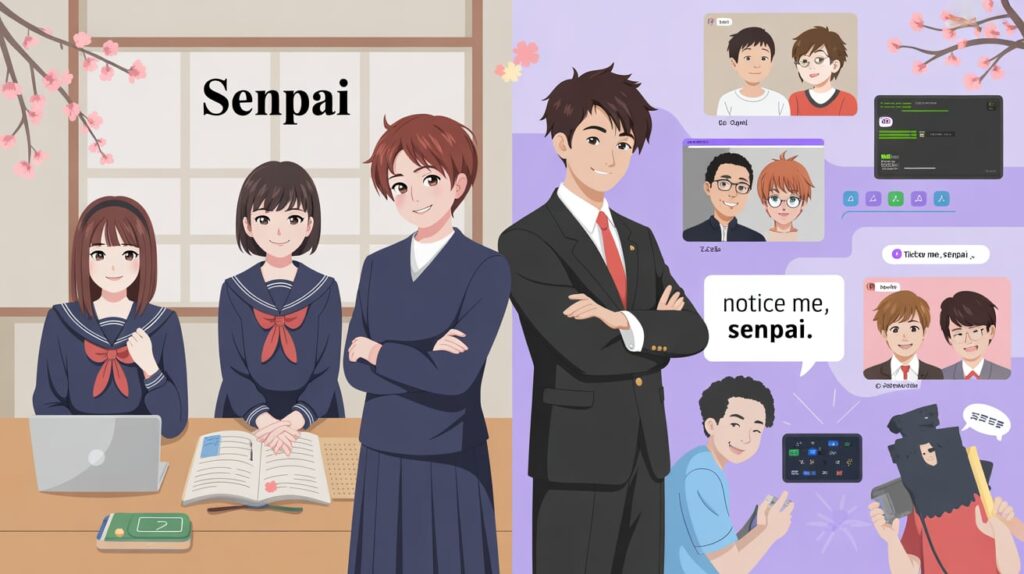
Language trends often fade—but senpai has endured because:
- It fills a unique linguistic role
- It blends respect with informality
- It adapts well to digital culture
- It has cross-generational recognition
In 2026, senpai is no longer just a borrowed word—it’s part of global internet language.
Conclusion
So, what does senpai mean in 2026?
At its core, senpai means someone who is senior, experienced, or worthy of respect within a shared space. While it began as a formal Japanese social role, it has evolved into a versatile global term used to express admiration, respect, humor, and community identity.
Understanding its original meaning alongside its modern usage helps you use it appropriately—whether you’re watching anime, chatting online, or engaging in global pop culture conversations.
Frequently Asked Questions (FAQ)
What does senpai literally mean?
It means “senior” or “one who came before.”
Is senpai romantic?
Not inherently—romance depends on context.
Can anyone be called senpai?
Yes, if they are more experienced or admired.
Is senpai still used in Japan in 2026?
Yes, especially in schools and workplaces.
Is senpai slang?
Outside Japan, it functions as slang; inside Japan, it’s formal.
Final Summary
- Senpai means senior or admired person
- Originates from Japanese culture
- Popularized globally through anime
- Used seriously and playfully in 2026
- Still culturally relevant and widely understood
Knowing what does senpai mean helps you better understand modern digital language and global cultural exchange.