

The phrase “what does racketeering mean” has been a part of legal discussions for nearly a century, but it didn’t become a mainstream search phrase until the early 2000s. People originally encountered the term in crime documentaries, news headlines, and court cases involving organized crime. As these stories became more accessible through digital media, Google searches for what does racketeering mean began rising steadily.
By the 2010s, the question became even more popular because of social media debates, true-crime podcasts, and well-known RICO cases. The phrase resurfaced in entertainment culture through shows like Narcos, Ozark, and Suits, each adding new layers to how people understood racketeering. Every decade shaped its meaning a bit differently, evolving from a strict legal term to a broader phrase used casually online to describe any suspicious, manipulative, or unethical behavior.
Fast forward to 2026, and the curiosity around the meaning continues. Racketeering is no longer just about mafia crimes; it now includes modern digital schemes, AI-powered fraud, crypto scams, and influencer-driven financial traps. That’s why more people than ever ask: What does racketeering mean today?
This in-depth 2026 guide breaks the meaning down in a conversational, simple, and updated way, giving you real examples, modern usage patterns, and a full comparison table.
What Does “What Does Racketeering Mean” Mean in 2026?
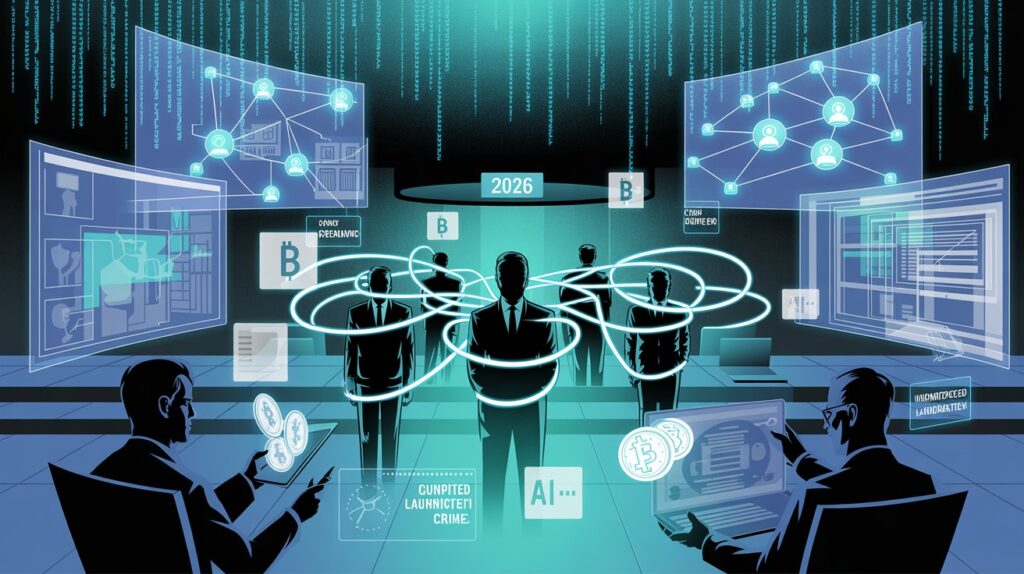
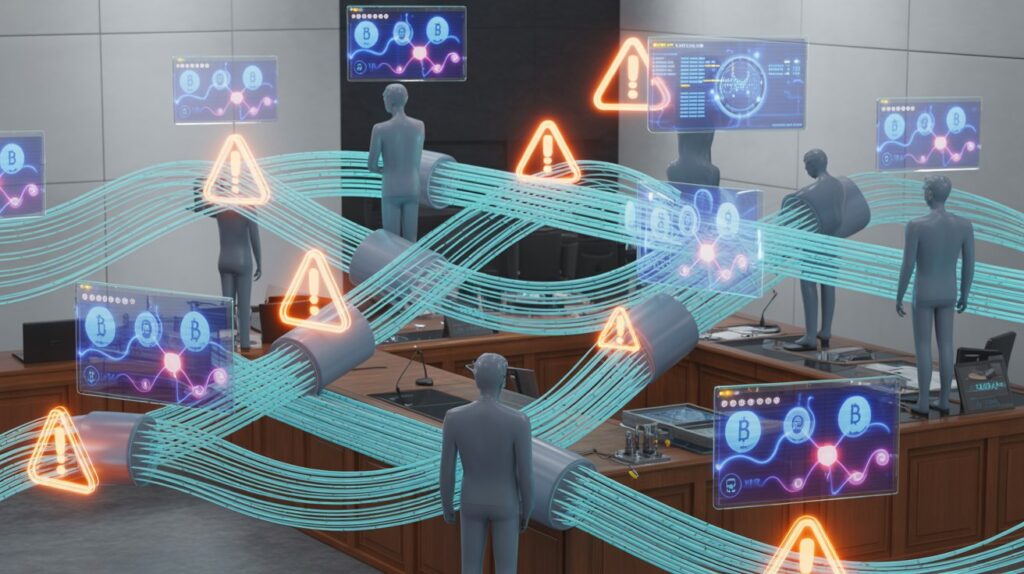
Racketeering in 2026 refers to any organized, systematic illegal activity carried out to profit through fraud, coercion, or deception. It includes traditional crimes such as money laundering or bribery, but now it also applies to:
- Digital Ponzi schemes
- Crypto pump-and-dump groups
- AI-generated identity fraud
- Corporate extortion
- Black-market online services
In 2026, the meaning expanded because modern criminals now use technology and automation, making racketeering more advanced and difficult to track.
Discover More Posts Like This:
Modern Usage of “What Does Racketeering Mean” (2026)
People now use the phrase in two major contexts:
1. Legal Context (Traditional Use)
This refers to organized criminal activity that violates the RICO Act or similar international laws.
2. Casual Online Use
On social platforms like X, TikTok, and Threads, people use “racketeering” humorously to describe:
- Overpriced services
- Suspicious business models
- Influencers selling fake “get rich” schemes
- Apps with hidden charges
Example:
“Bro this subscription is straight up racketeering—why is it $20 just to remove ads?”
The phrase became especially popular in 2026 due to rising digital scams and subscription-based traps.
“What Does Racketeering Mean” in Texting & Social Media
In texting, the term is used to express shock or humor when someone feels cheated, scammed, or manipulated.
Examples from 2026 digital culture:
- “This gym charging $10 for water? Racketeering.”
- “These crypto ‘gur*s’ teaching AI trading—full-on racketeering vibes.”
- “My landlord raising rent again… feels like racketeering.”
The meaning is flexible, but always tied to something that feels unfair, sketchy, or artificially inflated.
Examples of “What Does Racketeering Mean” in Real Chats
Example 1: Finance Group Chat
A: Bro that influencer course is $299 for basic tips.
B: That’s racketeering in 2026 💀
Example 2: Gaming Community
A: They’re charging for skins AND battle passes now.
B: Straight up racketeering.
Example 3: Workplace Chat
A: Our company just added a $35 “IT maintenance fee” out of nowhere.
B: Low-key racketeering tbh.
Example 4: Family Chat
Mom: Why is parking $15 for 20 minutes??
You: Modern-day racketeering 😂
These examples show both its serious and casual tone.
Misunderstood Meanings of “What Does Racketeering Mean”
Many people confuse racketeering with:
- Simple scamming
- Fraud alone
- Overpricing
- Corruption
- Manipulation
But racketeering involves organized, planned, systematic wrongdoing, not just a one-time scam.
In casual use, the line gets blurred, which is why misunderstandings still exist.
Why People Still Use “What Does Racketeering Mean” in 2026
The phrase remains popular for several reasons:
1. Digital Crime Is on the Rise
AI, crypto, and automation created new forms of organized fraud.
2. Social Media Loves Dramatic Words
People exaggerate for humor or emphasis.
3. RICO Cases Still Make Headlines
Every major political or celebrity scandal brings the term back.
4. It Sounds Strong and Serious
People use the phrase to highlight injustice, corruption, or unethical behavior.
5. Gen Z and Gen Alpha Humor
They love using serious terms jokingly.
Example: “My phone company raising prices again—RICO charge them 💀”
Comparison Table: Racketeering vs. Similar Terms (2026)
| Abbreviation | Full Form | Meaning | Usage Example | Popularity Score (2026) |
|---|---|---|---|---|
| RICO | Racketeer Influenced and Corrupt Organizations Act | US law that targets organized criminal activity | “They might face RICO charges.” | 94/100 |
| P&D | Pump and Dump | Artificially inflating asset value then selling for profit | “That crypto coin was a pump and dump.” | 89/100 |
| MLM | Multi-Level Marketing | A business structure often criticized for resembling a pyramid scheme | “This MLM feels like racketeering.” | 83/100 |
| SCAM | Scam | A dishonest scheme or fraud | “That link is a scam, don’t click.” | 99/100 |
| FRAUD | – | Deception for personal or financial gain | “Identity fraud cases increased in 2026.” | 97/100 |
Conclusion
In 2026, racketeering still refers to organized illegal activity, but the digital world has expanded its meaning. People now use the term to describe both real crimes and everyday situations where something feels unfair, suspicious, or manipulative. Whether you hear it in a courtroom, a meme page, or a group chat, the context matters.
Understanding the modern meaning helps you recognize when the term is being used legally, humorously, or dramatically. As digital crime continues to grow, so will the phrase: “What does racketeering mean?”
FAQ: What Does Racketeering Mean in 2026?
1. Is racketeering the same as scamming?
No. Scamming is usually a one-time act. Racketeering is organized, ongoing illegal activity.
2. What law deals with racketeering?
The RICO Act (US), and similar laws globally.
3. Why is the term popular again in 2026?
Due to AI-based fraud, crypto schemes, and subscription scams.
4. Do people use “racketeering” jokingly?
Yes, especially on TikTok, X, and in casual texts.
5. Can companies engage in racketeering?
Yes, if they engage in structured illegal or deceptive practices.
Final Summary
The phrase “what does racketeering mean” is more relevant than ever in 2026 because legal, digital, and cultural meanings merged. The term still covers organized crime but is now used casually to describe scams, overpriced services, or anything that feels unethical. With digital fraud growing, the modern meaning continues to evolve.