

If you’ve ever blown your nose and noticed green mucus, chances are you immediately wondered what does green snot mean. This question has been part of everyday health conversations for well over a century, long before modern medicine, smartphones, or search engines existed. People have always associated mucus color with illness, recovery, or infection—even when they didn’t fully understand why.
The phrase “what does green snot mean” began appearing more commonly in public conversations during the late 19th and early 20th centuries, when germ theory became widely accepted. As doctors started explaining infections, inflammation, and immune responses, mucus color became an easy visual clue for the public. Parents, caregivers, and patients began asking doctors this exact question during cold and flu seasons.
The phrase exploded in popularity in the early 2000s with the rise of Google searches and health forums. By the 2010s, people were typing “what does green snot mean” into search engines at the first sign of a cold. Social media, parenting blogs, and telehealth platforms further amplified its use, making it one of the most searched health-related questions worldwide.
By 2026, the meaning and understanding of green snot have evolved significantly. While older generations often believed green mucus always meant a bacterial infection or the need for antibiotics, modern medical research paints a more nuanced picture. Today, green snot is understood as a sign of immune system activity, not an automatic indicator of something serious.
This guide explores what does green snot mean in 2026, how people talk about it online, common misunderstandings, real-life examples, and why this simple yet uncomfortable topic continues to matter in modern health discussions.
What Does What Does Green Snot Mean Mean in 2026?
In 2026, medical professionals agree that green snot is most often a sign of your immune system doing its job.
The Scientific Explanation
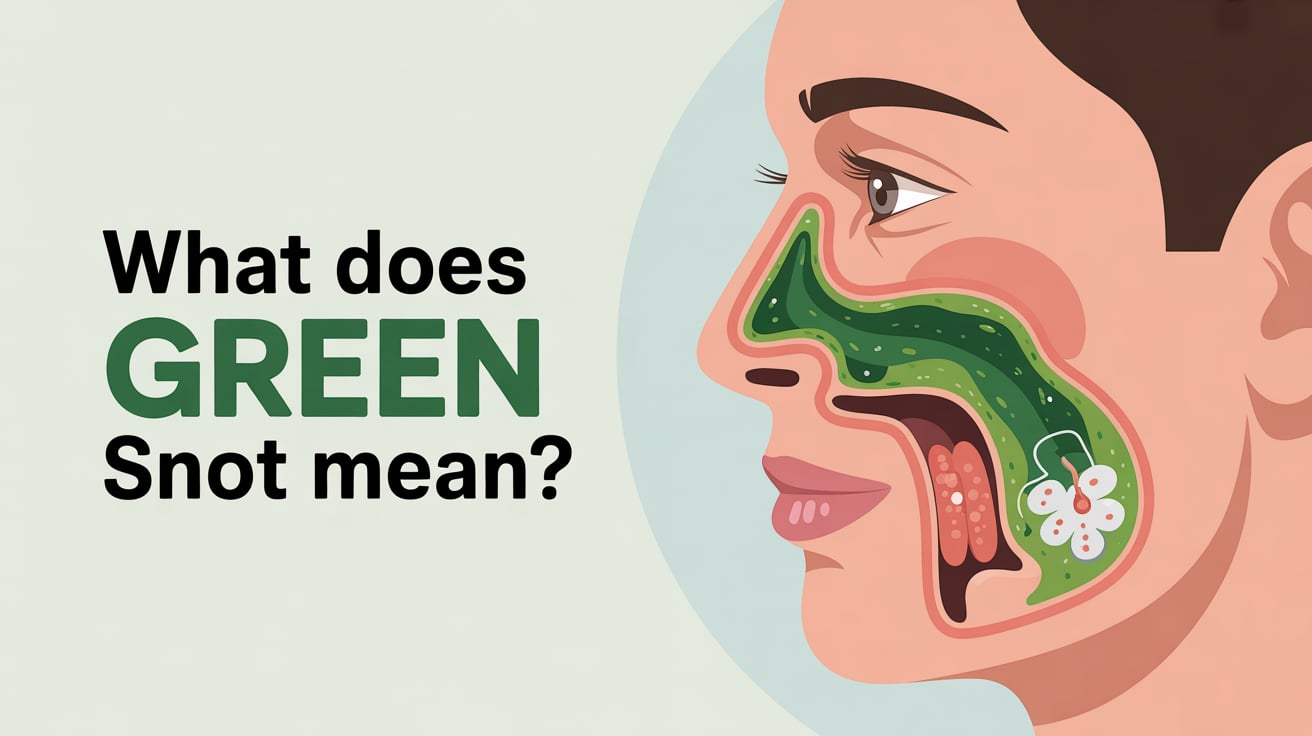
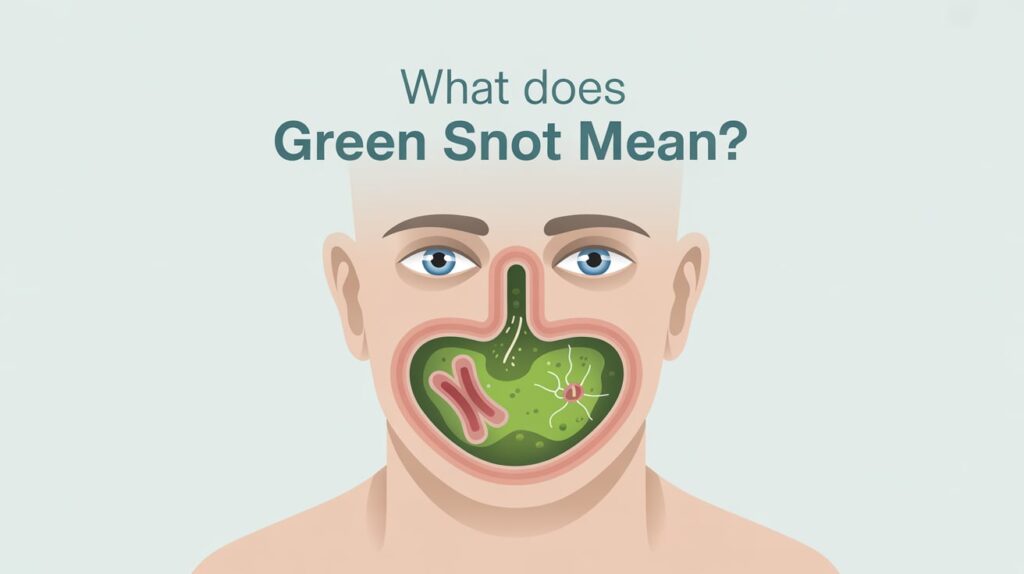
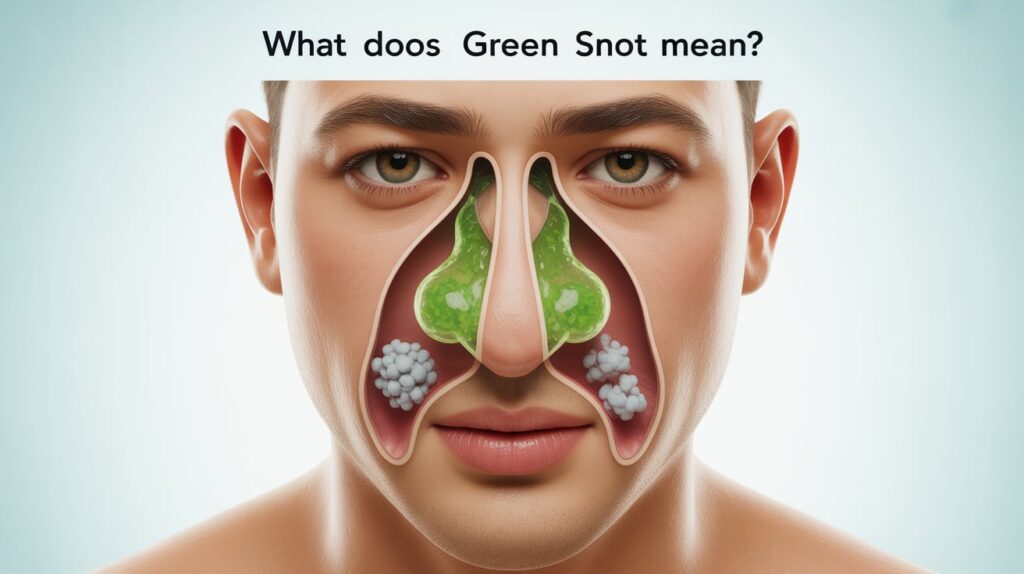
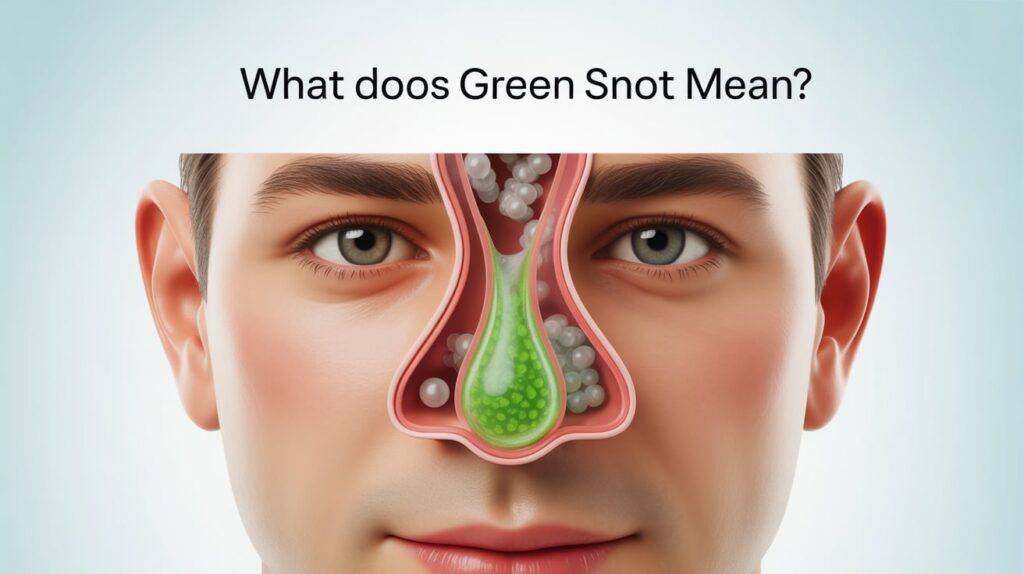
Green snot gets its color from white blood cells, specifically neutrophils. These cells contain an iron-rich enzyme called myeloperoxidase, which gives mucus a greenish tint when present in large amounts.
When your body detects:
- Viruses
- Bacteria
- Allergens
- Irritants
It sends immune cells to the nasal passages. As these cells fight off invaders and die, they mix with mucus—changing its color.
What Green Snot Usually Indicates
In 2026, green snot commonly means:
- Your immune system is actively responding
- You are in the middle or later stage of a cold
- Nasal inflammation is present
- Mucus has thickened due to dehydration or congestion
What Green Snot Does Not Automatically Mean
Contrary to old beliefs:
- ❌ It does not always mean a bacterial infection
- ❌ It does not always require antibiotics
- ❌ It does not always signal something dangerous
Doctors now emphasize duration and symptoms, not just color.
Modern Usage of What Does Green Snot Mean
The phrase what does green snot mean is now used across health, lifestyle, and digital spaces.
Where the Phrase Is Commonly Used
- Search engines
- Telehealth chats
- Parenting apps
- School nurse discussions
- Health blogs
- AI symptom checkers
- Group texts during cold season
How Usage Has Changed
In earlier decades, the phrase was often linked to panic. In 2026, it’s more about clarity and reassurance.
People now ask:
- “Is this normal?”
- “Do I need a doctor?”
- “Is my body fighting something?”
The phrase has shifted from fear-based to information-seeking.
What Does What Does Green Snot Mean in Texting & Social Media
Health discussions have gone digital, and green snot is no exception.
In Group Chats
“I’ve had green snot for three days—normal or nah?”
Meaning:
Seeking reassurance, not diagnosing.
On X (Formerly Twitter)
“Why does green snot always show up when I think I’m getting better?”
This reflects growing awareness that green mucus can appear during recovery.
On TikTok
Short videos often debunk myths:
“Green snot doesn’t mean antibiotics—here’s why.”
Creators explain immune responses using animations and diagrams.
On Parenting Forums
“My toddler has green snot but no fever—should I worry?”
The phrase is commonly used by parents trying to make informed decisions.
In Telehealth Apps
Patients frequently type:
“What does green snot mean if I feel fine otherwise?”
Doctors now answer with context-based explanations rather than blanket advice.
Examples of What Does Green Snot Mean in Real Chats
Example 1: Common Cold
Person:
“My snot turned green today.”
Friend:
“That usually means your immune system is fighting.”
Meaning:
Normal immune response.
Example 2: Recovery Phase
Patient:
“I’m feeling better but still have green mucus.”
Doctor:
“That’s common as congestion clears.”
Meaning:
Healing stage.
Example 3: Sinus Pressure
Person:
“Green snot and facial pressure.”
Advice:
“Monitor symptoms—see a doctor if it lasts over 10 days.”
Meaning:
Possible sinus involvement, not an emergency.
Example 4: Allergy Confusion
Person:
“Can allergies cause green snot?”
Reply:
“Yes, especially with prolonged inflammation.”
Meaning:
Not always infectious.
Example 5: Workplace Chat
Coworker:
“I have green snot but no fever.”
Response:
“Probably a cold—rest and hydrate.”
Meaning:
Everyday health normalization.
Misunderstood Meanings of What Does Green Snot Mean
Despite better information in 2026, myths persist.
Common Misconceptions
- Green snot always means infection
❌ Often false. - Green snot means antibiotics are needed
❌ Antibiotics treat bacteria, not viruses. - Clear snot means healthy
❌ Clear mucus can still accompany illness. - Green snot is dangerous
❌ Usually harmless. - Color alone determines severity
❌ Duration and symptoms matter more.
Doctors now stress:
“Treat the person, not the mucus color.”
Why People Still Use What Does Green Snot Mean in 2026
So why does this phrase remain so popular?
Key Reasons
- It’s Visually Noticeable
Color changes are easy to see. - Health Anxiety Is Common
People want reassurance. - Cold & Flu Seasons Persist
Respiratory illnesses remain widespread. - Parents Are More Informed
They seek clarity before medical visits. - Digital Health Culture
People Google symptoms instantly.
In 2026, the phrase acts as a gateway question to understanding immune health.
Comparison Table: Green Snot vs Similar Mucus Types (2026)
| Abbreviation | Full Form | Meaning | Usage Example | Popularity Score (2026) |
| Green Snot | Green Nasal Mucus | Immune response | “My snot turned green” | 9.7/10 |
| Clear Snot | Clear Nasal Mucus | Normal or early cold | “Runny nose all day” | 9.5/10 |
| Yellow Snot | Yellow Nasal Mucus | Ongoing inflammation | “Yellow mucus this morning” | 9.3/10 |
| Thick Snot | Thick Nasal Mucus | Dehydration or congestion | “Really thick mucus” | 8.9/10 |
| Bloody Snot | Blood-Tinged Mucus | Dryness or irritation | “A little blood when I blow my nose” | 8.2/10 |
2026 Context: How Digital Health Changed the Meaning
By 2026, health conversations are shaped by:
- AI symptom checkers
- Telemedicine platforms
- Wearable health trackers
- Evidence-based medical content
- Myth-busting social media creators
As a result, what does green snot mean is no longer answered with fear but with education and balance.
Modern advice focuses on:
- Duration (more than 10–14 days)
- Accompanying symptoms (fever, pain)
- Overall well-being
Color alone is no longer the deciding factor.
Conclusion
So, what does green snot mean in 2026?
It usually means your immune system is actively responding to irritation, infection, or inflammation. Green mucus is often a normal part of colds, sinus congestion, or recovery, not an automatic sign of something serious.
Modern medicine encourages looking at the whole picture—how you feel, how long symptoms last, and whether other warning signs are present. In most cases, green snot is simply proof that your body is doing exactly what it’s supposed to do.
FAQ: What Does Green Snot Mean?
1. Is green snot always bad?
No. It’s usually a normal immune response.
2. Does green snot mean I need antibiotics?
Not necessarily. Most colds are viral.
3. How long is green snot normal?
Up to 10–14 days during a cold can be normal.
4. Can allergies cause green snot?
Yes, prolonged inflammation can thicken mucus.
5. When should I see a doctor?
If symptoms worsen, include severe pain, or last over two weeks.
Final Summary
The question what does green snot mean remains popular in 2026 because it’s a visible, relatable health concern. Today, science shows that green mucus is usually a sign of immune activity—not a cause for panic.
Understanding green snot helps people make smarter health decisions, avoid unnecessary antibiotics, and trust their body’s natural defenses.