
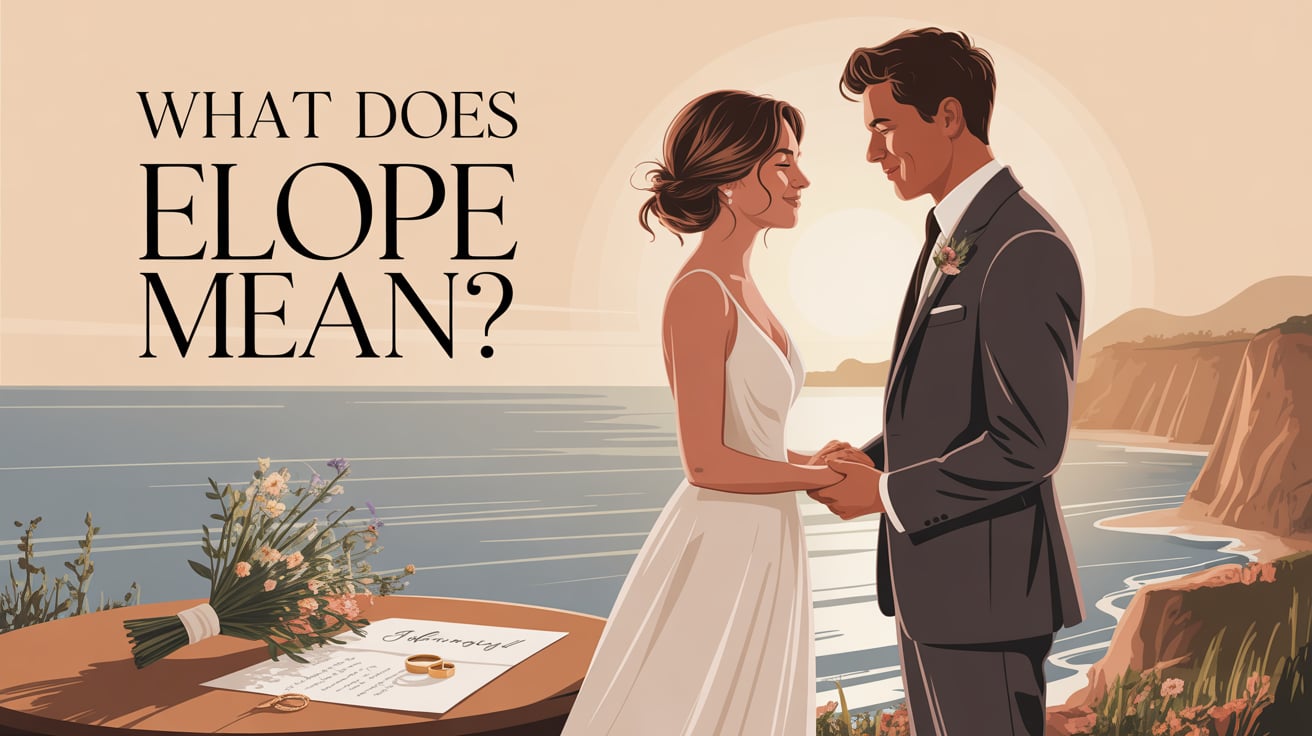
The question what does elope mean has been asked for centuries, yet its meaning has shifted more dramatically in the last 30 years than at any other point in history. Originally associated with secrecy, scandal, and even family dishonor, eloping has transformed into a modern symbol of freedom, love, and intentional simplicity.
The word elope entered English conversations in the late 16th century, derived from the Middle French word aloper, meaning “to run away.” In its earliest usage, eloping almost always implied a secret escape, often involving a woman leaving her family home without parental consent to marry someone her family disapproved of. In many cultures, elopement was controversial, risky, and socially frowned upon.
As society evolved—especially through the 20th century—the meaning softened. By the mid-1900s, eloping had become more associated with couples wanting to avoid large weddings, expenses, or family pressure. Famous elopements in Hollywood, such as couples marrying quietly in Las Vegas, helped normalize the concept.
Fast forward to the digital era, and the phrase what does elope mean surged in popularity again due to social media, wedding blogs, minimalist lifestyle trends, and rising wedding costs. By 2026, eloping no longer automatically means secrecy or rebellion. Instead, it often represents intentional choice, emotional intimacy, and personal values over tradition.
In this comprehensive guide, we’ll explore exactly what does elope mean in 2026, how people use the term today, common misunderstandings, real-life examples, and why eloping remains a powerful and relevant concept in modern relationships.
What Does What Does Elope Mean Mean in 2026?
In 2026, the answer to what does elope mean depends heavily on context—but the modern definition is far more positive and flexible than in the past.
Modern Definition (2026)
To elope means:
To get married in a private, intentional, and often simplified way—usually with few or no guests—by choice rather than secrecy.
Key characteristics of eloping in 2026:
- Small or no guest list
- Focus on the couple rather than tradition
- Not necessarily secret
- Often planned, photographed, and celebrated later
What Eloping Is Today
In modern usage, eloping can include:
- Destination elopements (mountains, beaches, cities)
- Courthouse weddings
- Intimate ceremonies with 0–10 people
- Adventure elopements (hiking, travel-based)
- Private vow exchanges
What Eloping Is Not Necessarily Anymore
- ❌ Running away in shame
- ❌ Disobeying family
- ❌ Hiding the marriage forever
- ❌ Lack of planning
In 2026, eloping is often intentional, stylish, and celebrated.
Modern Usage of What Does Elope Mean
The phrase what does elope mean is widely used across modern conversations, especially in relationship, lifestyle, and wedding-related spaces.
Where the Term Is Commonly Used
- Wedding planning blogs
- TikTok and Instagram reels
- Pinterest boards
- Relationship podcasts
- Group chats
- Google searches
- AI wedding planners
Why the Term Is Trending
Several cultural shifts explain its popularity:
- Rising wedding costs
- Desire for authenticity
- Burnout from traditional expectations
- Global travel accessibility
- Minimalist lifestyle trends
By 2026, many couples choose eloping first, then decide later whether to host a celebration.
What Does What Does Elope Mean in Texting & Social Media
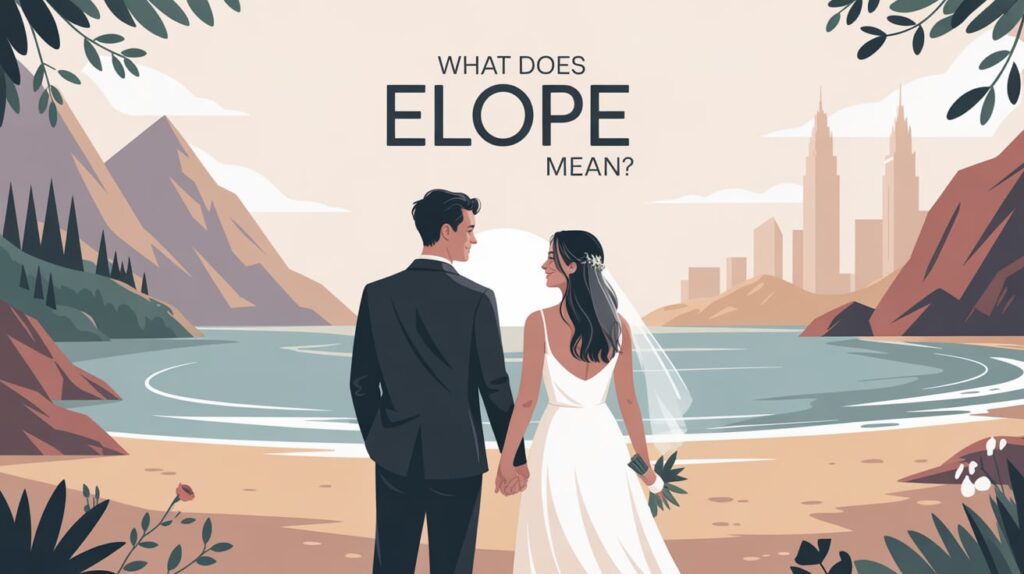
Social media has played a massive role in redefining elopement.
On Instagram
“We eloped in Iceland and it was the best decision ever 💍”
Meaning:
A planned, intentional, romantic wedding experience.
On TikTok
“POV: you realize eloping is about the marriage, not the wedding.”
Meaning:
Rejecting traditional wedding pressure.
In Group Chats
“Lowkey thinking we might elope instead of doing a big wedding.”
Meaning:
Considering a simpler, private ceremony.
On Wedding Forums
“Does eloping still count as a real wedding?”
Meaning:
Seeking reassurance—reflects lingering old definitions.
In Family Messages
“We eloped last weekend—celebration dinner soon!”
Meaning:
Elopement without secrecy or shame.
Examples of What Does Elope Mean in Real Chats
Example 1: Budget-Driven Elopement
Person A:
“Weddings are way too expensive.”
Person B:
“Honestly, we might just elope.”
Meaning:
Choosing simplicity and affordability.
Example 2: Destination Elopement
Friend:
“We eloped in Italy with just us and a photographer.”
Meaning:
Intentional, romantic travel-based wedding.
Example 3: Emotional Choice
Partner:
“I don’t want the stress—just us.”
Response:
“Then let’s elope.”
Meaning:
Prioritizing emotional connection.
Example 4: Cultural Context
Relative:
“Back in my day, eloping was scandalous.”
Couple:
“Now it’s just personal.”
Meaning:
Shift in generational understanding.
Example 5: Post-Elopement Announcement
Social Post:
“Surprise—we eloped last month!”
Meaning:
Joyful reveal, not secrecy.
Misunderstood Meanings of What Does Elope Mean
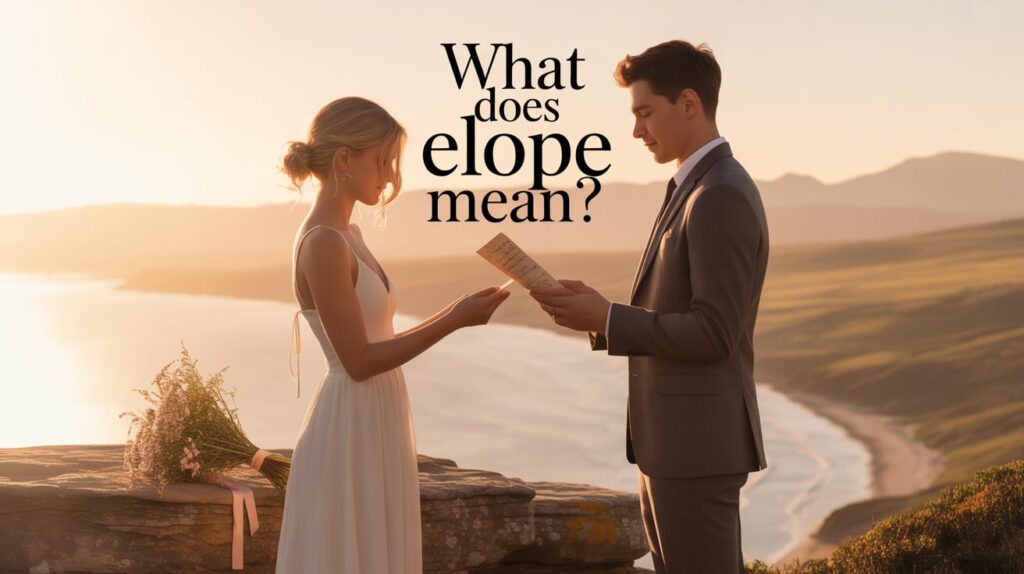
Despite its modern evolution, the term is still misunderstood.
Common Misconceptions
- Eloping means running away
❌ Not in 2026. - Eloping isn’t a real wedding
❌ Legally and emotionally valid. - Eloping is impulsive
❌ Often carefully planned. - Eloping excludes family
❌ Many couples celebrate later. - Eloping is only for young couples
❌ Popular across all age groups.
Modern experts emphasize:
“Eloping is about intention, not isolation.”
Why People Still Use What Does Elope Mean in 2026
The phrase remains relevant because marriage itself is evolving.
Key Reasons for Continued Use
- Changing Relationship Norms
Couples define marriage on their own terms. - Wedding Industry Pressure
Eloping offers an alternative. - Digital Visibility
Social media normalizes elopement stories. - Emotional Authenticity
Focus on love over performance. - Global Mobility
Travel makes destination elopements accessible.
By 2026, eloping is not a fallback—it’s a first choice.
Comparison Table: Eloping vs Similar Wedding Options (2026)
| Abbreviation | Full Form | Meaning | Usage Example | Popularity Score (2026) |
| Elope | Elopement | Private marriage ceremony | “We decided to elope” | 9.6/10 |
| Micro-Wed | Micro Wedding | Small guest wedding (10–50) | “We had a micro-wedding” | 9.3/10 |
| Courthouse | Courthouse Wedding | Legal civil marriage | “We married at city hall” | 9.0/10 |
| Destination | Destination Wedding | Wedding abroad with guests | “Wedding in Bali” | 8.8/10 |
| Traditional | Traditional Wedding | Large formal ceremony | “300-guest wedding” | 8.2/10 |
2026 Context: How Digital Culture Changed Eloping
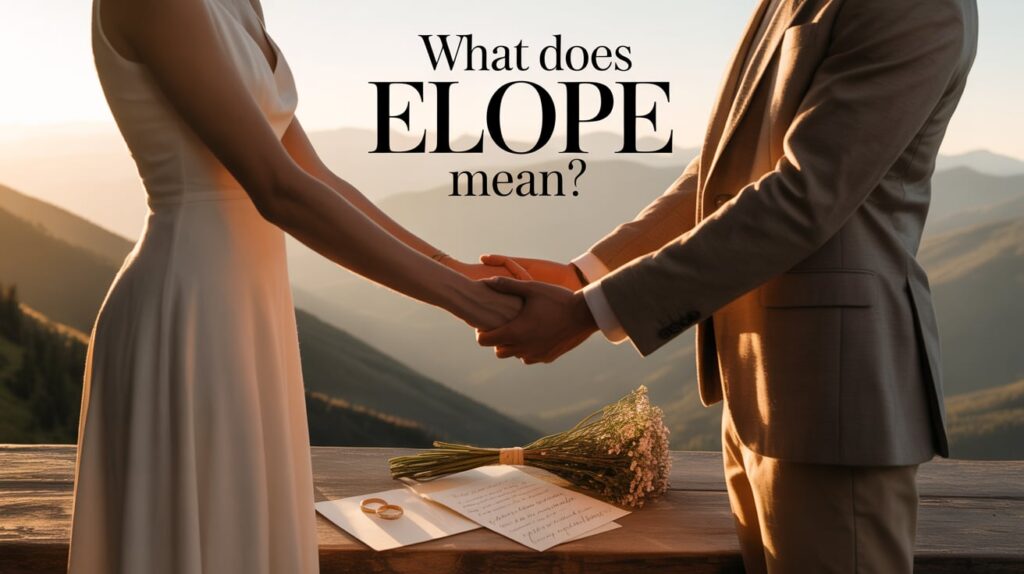
In 2026, eloping is deeply influenced by:
- Social media storytelling
- Professional elopement photographers
- Online marriage licenses
- AI-assisted wedding planning
- Remote work enabling travel
Elopements now include:
- Cinematic videos
- Styled outfits
- Personalized vows
- Legal documentation
- Post-elopement celebrations
The phrase what does elope mean now reflects freedom, choice, and modern love, not rebellion.
Conclusion
So, what does elope mean in 2026?
It means choosing a private, intentional, and meaningful way to get married, often without the pressure of tradition, expense, or large audiences. Eloping today is not about running away—it’s about running toward what matters most.
Modern elopement celebrates love, authenticity, and autonomy. As marriage continues to evolve, eloping stands as a powerful reminder that there’s no single “right” way to say “I do.”
FAQ: What Does Elope Mean?
1. Does eloping mean no guests?
Not always—many elopements include a few close people.
2. Is eloping legal?
Yes, when done with proper documentation.
3. Can you elope and still have a reception?
Absolutely—many couples do both.
4. Is eloping cheaper?
Often yes, but luxury elopements exist too.
5. Is eloping selfish?
No—it’s a personal choice, not a rejection of others.
Final Summary
The meaning behind what does elope mean has evolved from secrecy and scandal to choice and authenticity. In 2026, eloping represents a modern approach to marriage—one centered on love, intention, and personal values rather than expectations.
Eloping isn’t about what you avoid—it’s about what you prioritize.