

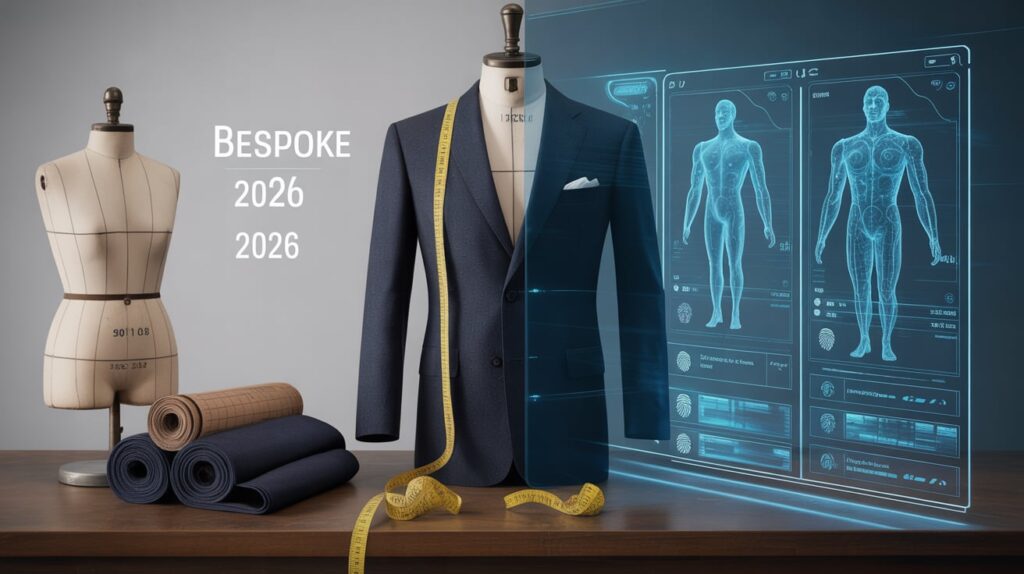
The phrase “bespoke” has long carried a sense of exclusivity, craftsmanship, and personalization. Originating in the tailoring world, it first appeared in English conversations in the late 16th century. Tailors would advertise that suits were “bespoken for” by individual clients, meaning each garment was specially ordered and tailored. Over time, this usage expanded beyond fashion to describe any product or service made to an individual’s exact specifications.
By the 21st century, “bespoke” had evolved beyond luxury suits and shoes. It became a popular term in lifestyle, technology, and even digital services. The rise of personalized apps, custom software solutions, and tailored experiences brought bespoke into everyday conversations. Today, in 2026, the term has cemented its place in both physical and virtual realms, reflecting the growing demand for customization in every aspect of life.
This article explores what bespoke means in 2026, its modern usage, how it appears in texting and social media, and why it remains relevant in a world increasingly dominated by mass production and AI-driven personalization.
What Does Bespoke Mean in 2026?
In 2026, bespoke retains its core definition: something designed and crafted specifically for an individual’s needs. However, its applications have expanded considerably:
- Traditional Meaning: Handcrafted clothing, tailored suits, and custom shoes.
- Modern Meaning: Personalized digital services, AI-driven recommendations, custom apps, and even curated experiences like bespoke travel or events.
- Lifestyle Context: Bespoke furniture, home decor, skincare, and diet plans tailored to individual preferences.
Essentially, bespoke now describes any service or product that is not mass-produced but instead created with the consumer’s personal preferences, lifestyle, or data in mind.
Example: A software company offering a bespoke AI assistant will tailor its responses, integrations, and notifications based on the unique habits of each user, rather than offering a generic solution.
Modern Usage of Bespoke
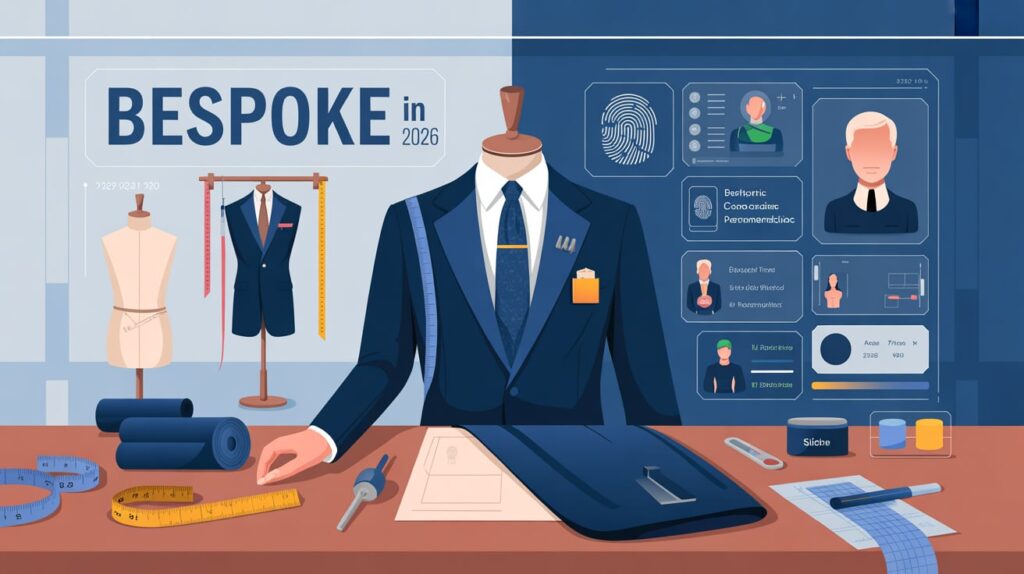
The term bespoke has become ubiquitous in marketing and digital content because consumers increasingly value personalization. Companies emphasize bespoke solutions to signal exclusivity and high-quality service.
Key modern usages include:
- Technology: Bespoke software, apps, or AI tools.
- Fashion: Custom-tailored clothing, shoes, and accessories.
- Lifestyle: Personalized wellness plans, bespoke diets, and fitness programs.
- Travel & Experiences: Tailored itineraries, private tours, and curated adventure experiences.
- Marketing: Bespoke campaigns targeting specific user behaviors or demographics.
In 2026, bespoke is also a digital trend term, often paired with AI and Web3 technologies. For example, AI platforms now generate bespoke digital art, music, and interactive experiences, tailored to individual tastes using advanced algorithms.
Bespoke in Texting & Social Media
The popularity of bespoke has crossed over into casual texting and social media conversations. While traditionally associated with sophistication, millennials and Gen Z users often use the term to imply customized experiences or personalized choices, even in informal contexts.
Examples of usage:
- In a text: “Just got a bespoke playlist made for me on AI MusicApp 🎧”
- On social media: “Loving my bespoke skincare set – everything designed for my skin type! #BespokeBeauty #2026Trends”
- In business posts: “Our team delivers bespoke SaaS solutions for startups and enterprises alike.”
In 2026, social media hashtags like #BespokeLife, #BespokeTech, and #BespokeExperience trend frequently, reinforcing the association with personalization and exclusivity.
Examples of Bespoke in Real Chats
Understanding how bespoke appears in real-world communication helps clarify its modern context. Here are some examples from different domains:
- Fashion Chat:
- Person A: “I need a new suit for the wedding.”
- Person B: “Go bespoke. Nothing beats a suit made for your body.”
- Tech Chat:
- Person A: “I’m tired of generic apps.”
- Person B: “Try the bespoke productivity app. It learns how you work and adjusts accordingly.”
- Travel Chat:
- Person A: “Looking for a vacation.”
- Person B: “Why not a bespoke tour? They’ll craft every day around your interests.”
These examples highlight how bespoke conveys personalization, attention to detail, and exclusivity, making it a highly desirable trait in modern consumer culture.
Misunderstood Meanings of Bespoke
Despite its popularity, bespoke is often misused. Common misconceptions include:
- Bespoke ≠ Expensive: While bespoke products often cost more, the term itself refers to customization, not price.
- Bespoke ≠ Handmade Only: In 2026, digital bespoke solutions (like personalized apps or AI tools) are entirely acceptable, even if no physical craftsmanship is involved.
- Bespoke ≠ Limited to Luxury: While luxury brands emphasize bespoke offerings, the concept now spans budget-friendly personalization, like customized subscription boxes or tailored digital services.
Misunderstandings arise mainly because marketing campaigns often link bespoke to elite or expensive products. Understanding its true meaning helps consumers and businesses use it more accurately.
Why People Still Use Bespoke in 2026
Bespoke remains relevant in 2026 for several reasons:
- Desire for Personalization: People increasingly prefer products and services that match their specific needs.
- Digital Advancements: AI and data analytics make bespoke experiences easier to deliver, from music recommendations to fitness plans.
- Status and Identity: Bespoke items or services signal individuality and uniqueness, appealing to those who value personal identity in a crowded marketplace.
- Enhanced Customer Experience: Businesses offering bespoke services often enjoy higher customer satisfaction and loyalty.
In short, bespoke is not just a marketing term but a reflection of a cultural shift toward personalized experiences across every industry.
Comparison Table: Bespoke vs Similar Alternatives (2026)
| Abbreviation | Full Form | Meaning | Usage Example | Popularity Score (2026) |
|---|---|---|---|---|
| Bespoke | Bespoke | Custom-made for individual needs | “I ordered a bespoke AI assistant.” | 95/100 |
| Custom | Custom | Tailored to order, may be less refined | “I got a custom t-shirt online.” | 85/100 |
| Personalized | Personalized | Adapted for specific users, often digitally | “My app has personalized recommendations.” | 90/100 |
| Tailored | Tailored | Adjusted to individual preferences | “A tailored career plan helped me succeed.” | 80/100 |
| Made-to-Order | Made-to-Order | Produced only after order is placed | “Made-to-order furniture arrives in 4 weeks.” | 75/100 |
Note: Popularity scores reflect 2026 trends based on digital engagement, social media mentions, and consumer preference data.
2026 Context: Bespoke in Digital & Physical Realms
The year 2026 marks a significant shift in the use of bespoke:
- Digital Bespoke: AI-powered tools, generative content platforms, and immersive experiences are now tailored to individual behaviors. For instance, a bespoke fitness app adapts workouts daily based on biometric feedback and lifestyle data.
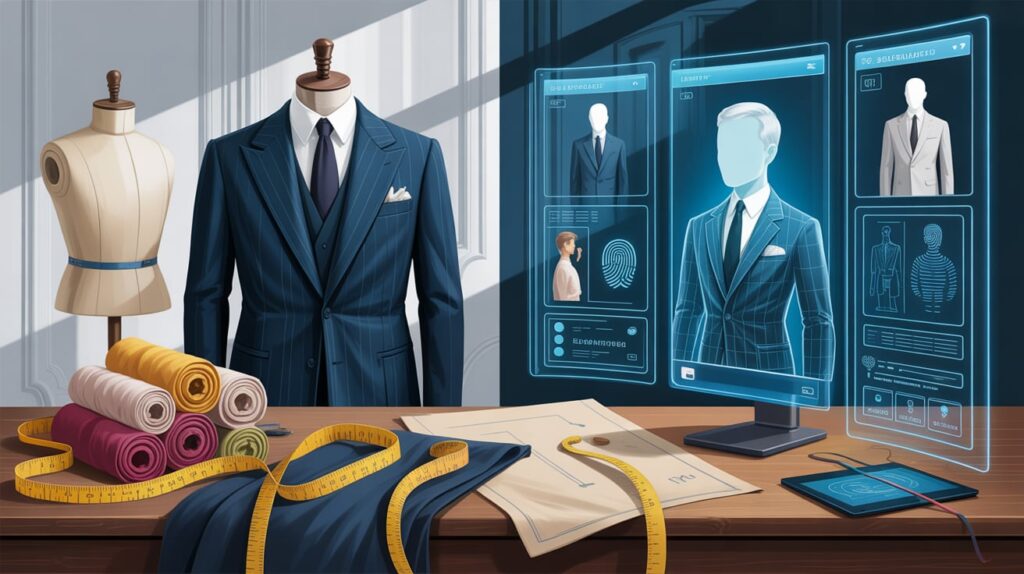
- Physical Bespoke: Traditional products like clothing, furniture, and luxury items remain customized, but now with enhanced digital integration. Smart tailoring apps provide precise measurements using AR technology.
- Marketing & Social Media: Brands emphasize bespoke solutions to connect with consumers, reflecting a move from mass marketing to individualized engagement.
- Lifestyle & Wellness: Personalized nutrition, skincare, and mental health solutions dominate the wellness sector, making bespoke part of everyday conversation.
In 2026, bespoke bridges physical craftsmanship and digital personalization, making it more versatile than ever.
Conclusion
The term bespoke has come a long way from its origins in tailor shops. Today, in 2026, it embodies personalization, exclusivity, and customization across industries—both digital and physical. Its use in marketing, social media, lifestyle, and technology reflects society’s shift toward individualized experiences. Understanding bespoke helps consumers make informed choices and allows businesses to deliver value that resonates on a personal level.
FAQs About Bespoke in 2026
Q1: What does bespoke mean in simple terms?
A: Bespoke means something made or tailored specifically for you, based on your preferences or needs.
Q2: Is bespoke only used for clothing?
A: No, in 2026 it applies to digital services, apps, experiences, and even lifestyle products.
Q3: How is bespoke different from custom or personalized?
A: Bespoke implies a higher level of individual attention and specificity, often associated with exclusivity and craftsmanship.
Q4: Can I use bespoke for digital products?
A: Absolutely. Digital solutions like AI assistants, software, and apps can be bespoke if tailored to an individual’s needs.
Q5: Why is bespoke still popular in 2026?
A: People value personalization, uniqueness, and experiences that reflect their individual preferences, making bespoke highly relevant.
Final Summary
In 2026, bespoke signifies far more than custom clothing. It represents a culture of personalized experiences, whether in tech, lifestyle, wellness, or fashion. Its evolution reflects modern trends emphasizing individuality, digital innovation, and attention to detail. Understanding what bespoke means helps both consumers and businesses navigate this personalized world with clarity and sophistication.